
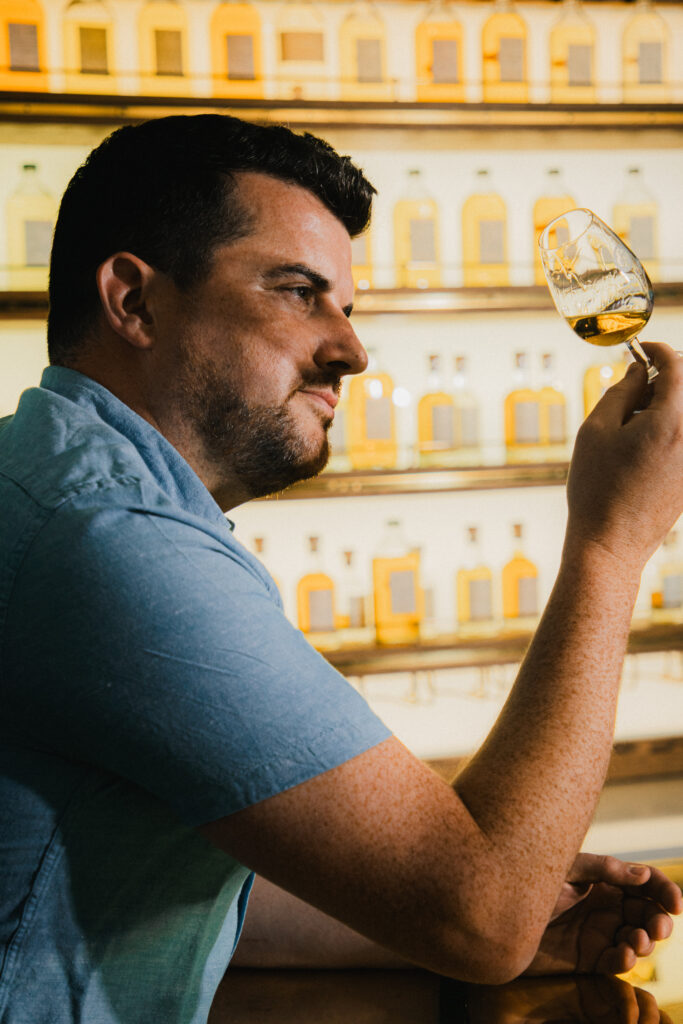
As American whiskey enthusiasts increasingly look across the pond for complex flavor profiles, Bourbon Lens recently sat down with Gary Mills, Global Brand Ambassador for Loch Lomond Group, to decode the mystery of two of Scotland’s most innovative distilleries: Glen Scotia and Loch Lomond.
The conversation highlights a major shift in how bourbon drinkers are approaching Scotch, focusing on the “Victorian Whisky Capital of the World,” Campbeltown, and the technical artistry of high-ester fermentation.
The Campbeltown Comeback
Once home to over 26 distilleries, Campbeltown now boasts a rare, “small-batch” exclusivity. Mills explains that Glen Scotia’s signature profile—defined by sea salt, vanilla, and an oily mouthfeel—is a result of its seafaring geography and the use of 100-year-old cast iron equipment.
Innovation Through “Slow” Distilling
A key takeaway for flavor-seekers is Glen Scotia’s extreme fermentation process. While most distilleries finish in 48 hours, Glen Scotia averages 128.8 hours. This “slow” approach unlocks tropical notes of pineapple and mango, providing a fruit-forward sweetness that resonates with fans of high-quality bourbon.
Masterful Maturation
At Loch Lomond, the focus turns to versatility. By utilizing an on-site cooperage and a variety of casks—including Colombian and Swedish Oak—the distillery produces a full spectrum of flavors. Their flagship 12-Year-Old serves as an entry point, balancing honey and soft smoke, while the 18-Year-Old expression showcases the deep wood influence and complexity gained from nearly two decades in refill casks.
“Campbelltown whiskies traditionally have a bold, full-bodied flavor with subtle peaty and maritime notes, stemming from their historical use of peated malt and proximity to the sea.” — Gary Mills
Key Takeaways for Whisky Enthusiasts:
- The Bourbon Connection: Long fermentation times create the esters responsible for the sweet, tropical notes bourbon lovers crave.
- Peat Without the Punch: Unlike the aggressive smoke of Islay, Glen Scotia uses a subtle 3-5% peat level to add “mouthfeel” and complexity rather than overwhelming smoke.
- The “Grain-to-Glass” Ethos: Both distilleries prioritize traditional, non-digitized methods to preserve Scotland’s distilling heritage.
For the full deep dive into these expressions and to hear the complete interview, visit BourbonLens.com.
Listen to Bourbon Lens on your favorite podcast app or stream on Spotify. If you’d like to support Bourbon Lens, join our Patreon, sign up for our “Weekly Pour” Newsletter, and don’t forget to follow us on Facebook, Instagram, and X.
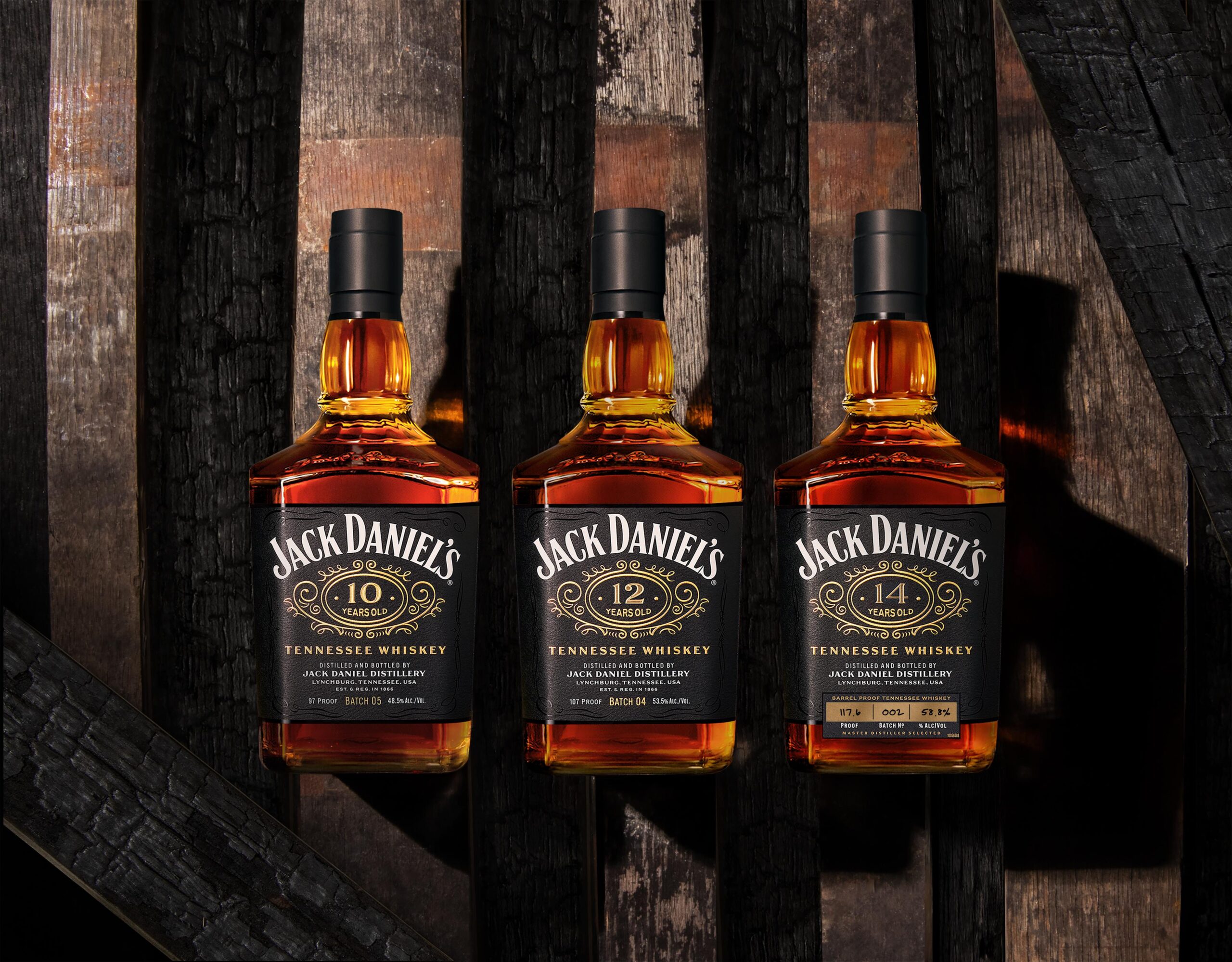
- 376: Jack Daniel’s 2026 Aged Series & The Pernod-Brown-Forman Merger Rumors
- 375: Bourbon Lens Puts Wheated Favorites to the Ultimate Blind Test

- 374: From Campbeltown to the Highlands: Bourbon Lens Unlocks the Secrets of Glen Scotia and Loch Lomond

- 373: The Organic Standard – Cathedral Ledge Distillery’s Quest for Pure Spirits

- 372: How Onyx & Amber is Redefining Whiskey in Colorado

- 371: High West Distillery Celebrates 20 Years of Innovative Whiskey Craftsmanship