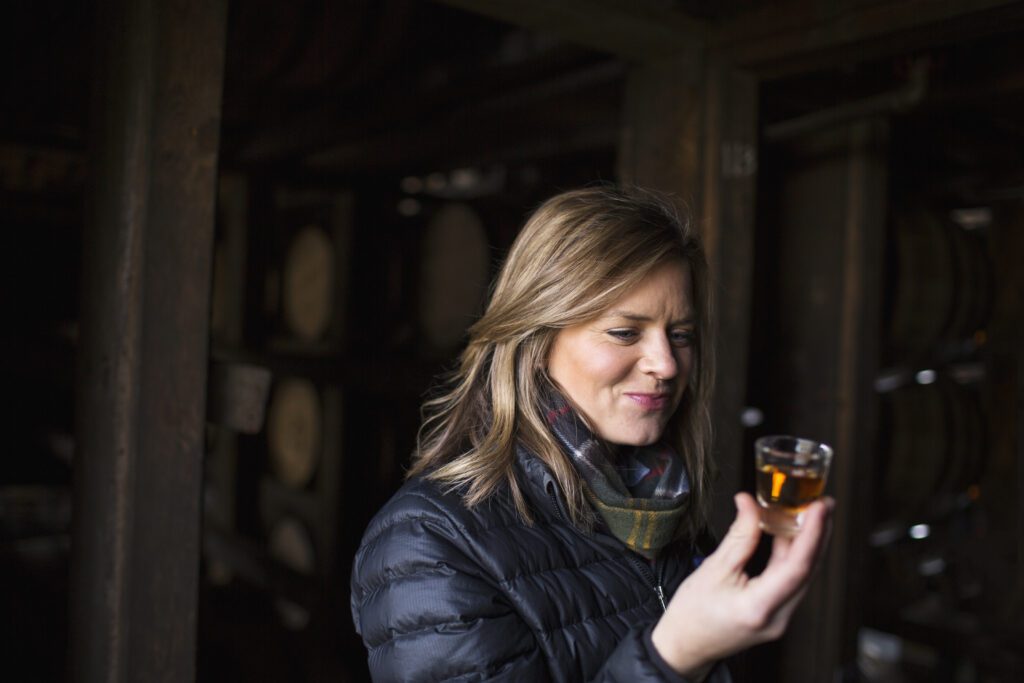
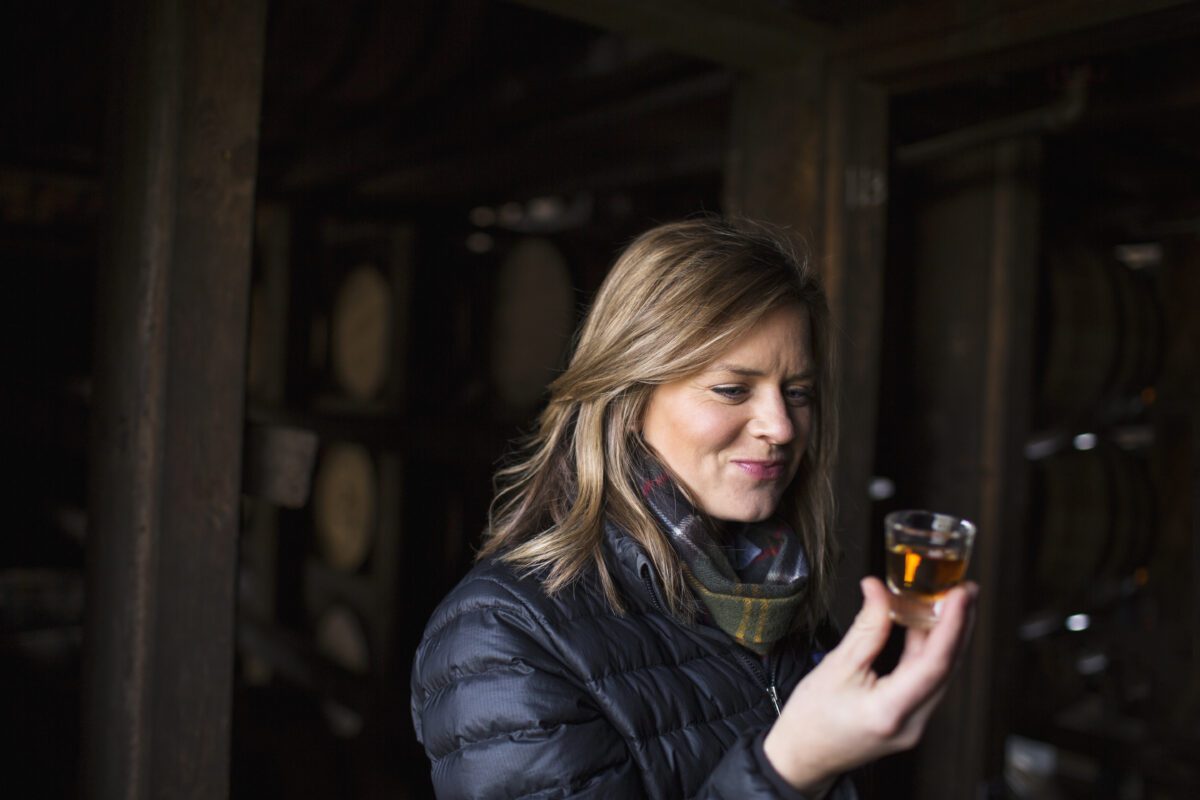
VERSAILLES, Ky. — In a deep-dive interview on the Bourbon Lens podcast, Woodford Reserve Master Distiller Elizabeth McCall shared an inside look at how the historic distillery balances its legendary heritage with cutting-edge agricultural experimentation.
From the brand’s origins in 1996 to its massive role in shaping the Kentucky Bourbon Trail, Woodford Reserve has long been a pillar of the whiskey revitalization movement. Today, McCall is keeping the momentum alive by focusing heavily on sustainability, grain exploration, and precise flavor complexity.
Pushing the Boundaries of Bourbon Flavor
During the episode, McCall detailed how Woodford Reserve maintains its unique, multi-layered flavor profile through distinct production methods, including their famous limestone water source and specialized triple pot distillation.
A major highlight of the conversation focused on Woodford’s newest experimental releases, specifically the Heirloom Red Corn project. Grown on a local farm directly adjacent to the distillery in Versailles, this deep-pigmented heirloom grain yields a bold, complex departure from traditional yellow corn.
“The Distillery Series was created to push the creative boundaries of whiskey,” Master Distiller Elizabeth McCall said. “Despite the challenges of the season, the red corn we were able to harvest produced a whiskey that is as resilient as it is flavorful. It’s a true testament to the terroir of Woodford County.”
Bringing Rye Back to Kentucky
McCall also highlighted the Kentucky Rye Project, a major five-year initiative alongside the University of Kentucky and local farmers aimed at researching and sourcing open-source rye varieties that can thrive in Kentucky’s humid climate. Traditionally, most distillers are forced to source rye from cooler regions like Canada or Europe.
“If we can bring rye back to Kentucky, it would not only support farmers, but give a sustainable grain to whiskey producers across the state,” McCall explained. “Sustainability is a topic I care passionately about – and, working with partners, we can make a big impact.”
Through rigorous batch stabilization, sensory profiling, and analytical testing, McCall continues to protect the core flavor profile that consumers love—like the fan-favorite Double Oaked—while carving out a bold vision for the next decade of whiskey craftsmanship.
The full discussion is now streaming across all major podcast platforms and the Bourbon Lens YouTube channel.
🔔 Subscribe for more weekly discussions, tastings, and bourbon insights from the Bourbon Lens community.
- 📸 Follow on Instagram: @bourbonlens
- 🌐 Visit: www.bourbonlens.com
- 👕 Merch: https://bourbon-lens-shop.printify.me/products
- 💬 Discord: https://discord.gg/pd6ys5nRSU
- 388: Woodford Reserve Master Distiller Elizabeth McCall on the Future of Bourbon: Tradition Meets Agricultural Innovation

- 387: The OGD Evolution: Navigating the History & High Proof of Old Grand-Dad Under Beam
- 386: Bourbon Lens Explores the Science of Rye Terroir with Far North Spirits Co-Founder Michael Swanson
- 385: The Art of Japanese Whisky: Savoring House of Suntory & The Perfect Toki Highball
- 384: Kaveh Zamanian On The Future of Rabbit Hole and Beyond
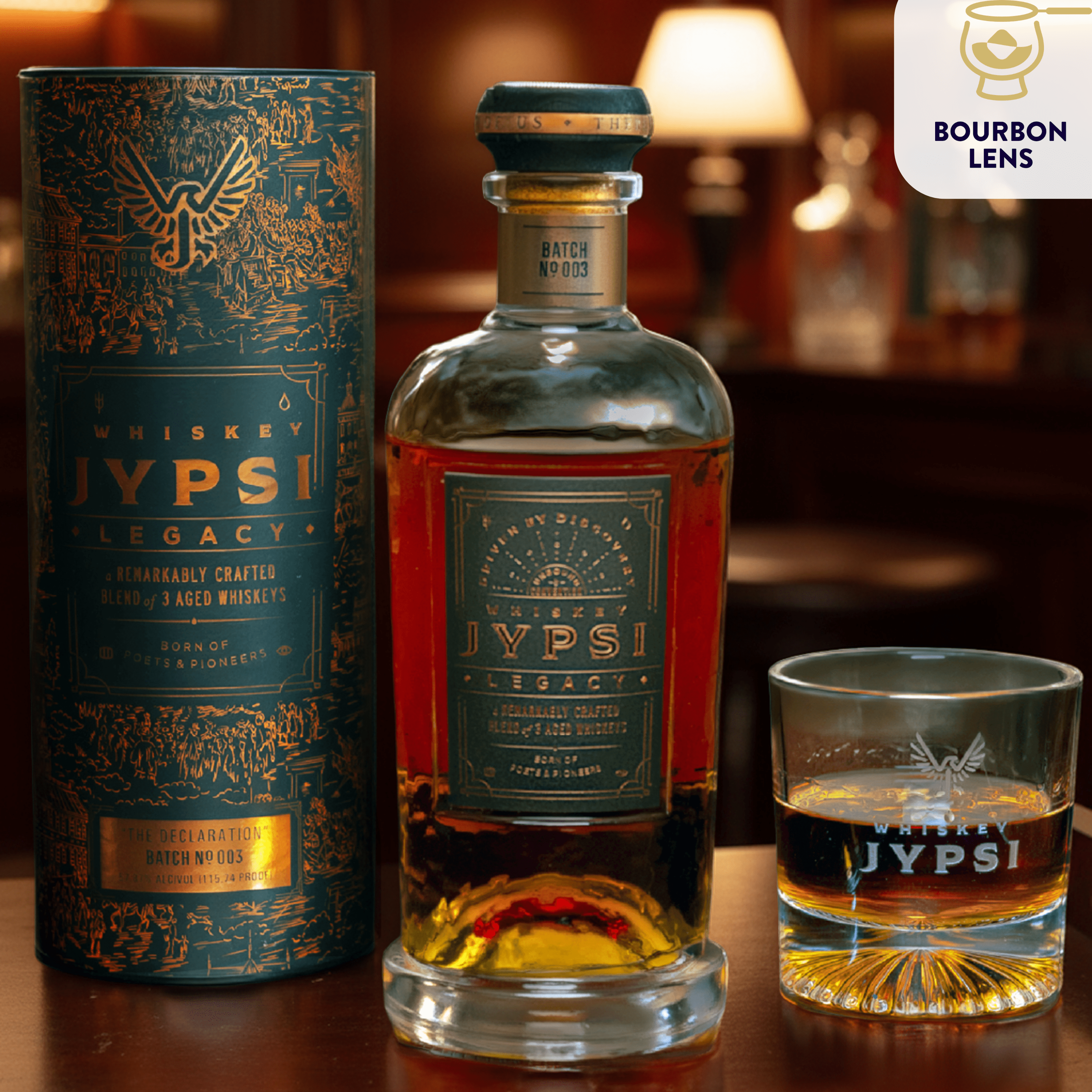
- 383: The Revolution of Blending: How Ari Sussman and Whiskey JYPSI Are Rewriting American Whiskey History